This post contains affiliate links. I may earn a commission at no extra cost to you.
Why balance is the thing that matters
Almost nobody falls from standing still. People fall during a recovery that does not quite work — a trip on a rug, a misjudged kerb, turning too quickly in the kitchen.
In that half-second, three systems have to cooperate: the inner ear senses the change, the eyes confirm which way is up, and the legs make a correction. All three become slower with age, and the legs need enough strength to actually execute the correction once it has been decided on.
That is why balance, rather than bone density, is the practical front line. The strongest bones in the world still break if you land hard enough. Not landing is the better plan.
And balance is trainable. It is one of the few things in later life that genuinely improves with practice, at any age, for free.
The ten-second test
Do this in the kitchen, standing next to the worktop, with one hand resting near it.
Stand on one leg. Keep your hand close to the surface. Count to ten.
Then the other leg.
If ten seconds is comfortable, that is a good sign — practise anyway, because it is easier to keep than to get back.
If ten seconds is hard, or you need the worktop straight away, that is not a verdict. It is simply the thing to work on, and it is the most improvable thing on this whole page.
If you feel dizzy or the room moves, stop, sit down, and mention it to a doctor. Dizziness on standing has its own causes — including blood pressure medication — and it is treatable, but it is not a balance-training problem.
Practise at the sink
The best time to practise is a moment that already exists in your day, because a routine bolted on to the end of the day does not survive the week.
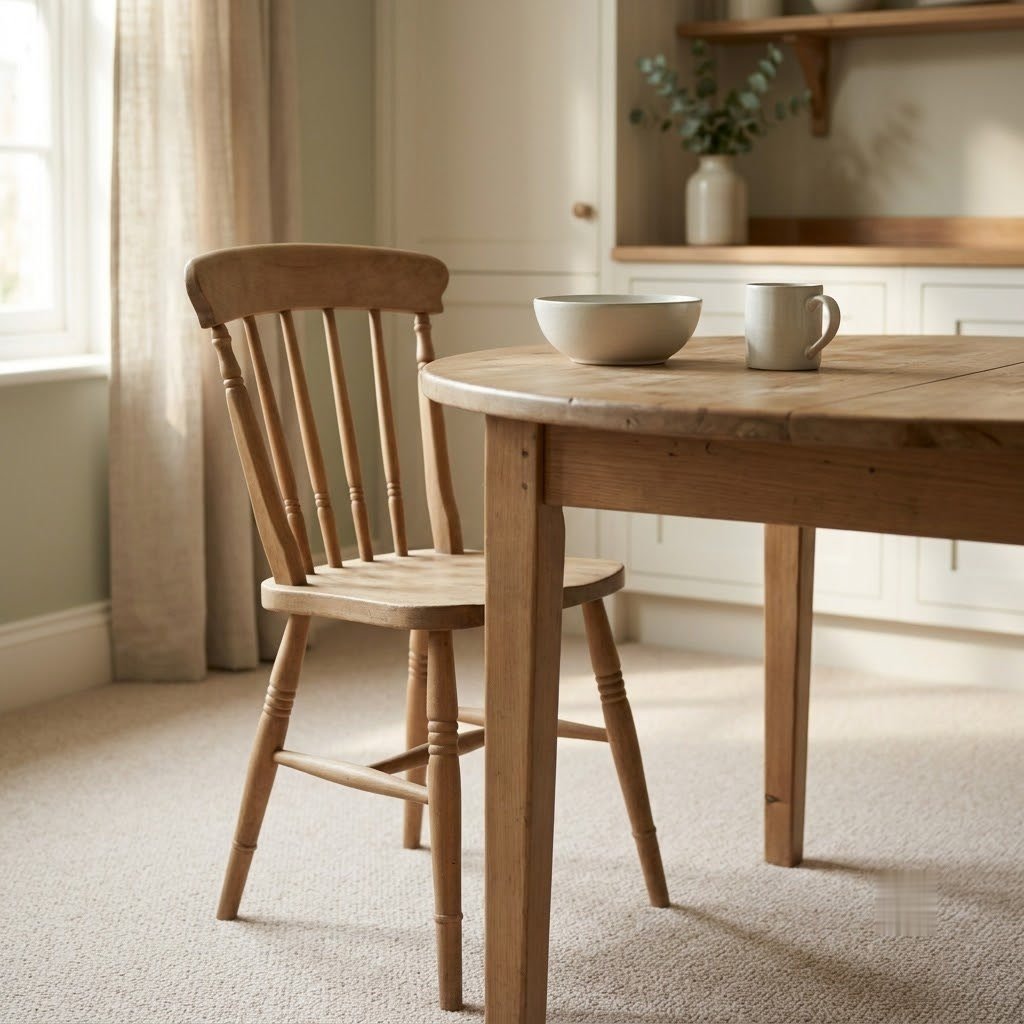
While the kettle boils:
- Stand on one leg, hand near the worktop, for as long as is comfortable
- Swap legs
- Then stand up from a kitchen chair ten times without using your hands
That last one is doing double duty. It trains the movement that gets you off a sofa and out of a car, and it builds exactly the thigh and hip strength a recovery step needs. It is probably the single highest-value minute in this article.
Always keep a hand near something solid. The point is to practise balance, not to prove anything. Practising in a way that risks a fall defeats the purpose entirely.
Walking helps too, and walking on uneven ground — grass, a park path — helps more than a treadmill, because it asks the ankles to make constant small corrections.
The six things in the house
Most falls happen at home, doing ordinary things. These are the usual suspects, in rough order of how often they come up:
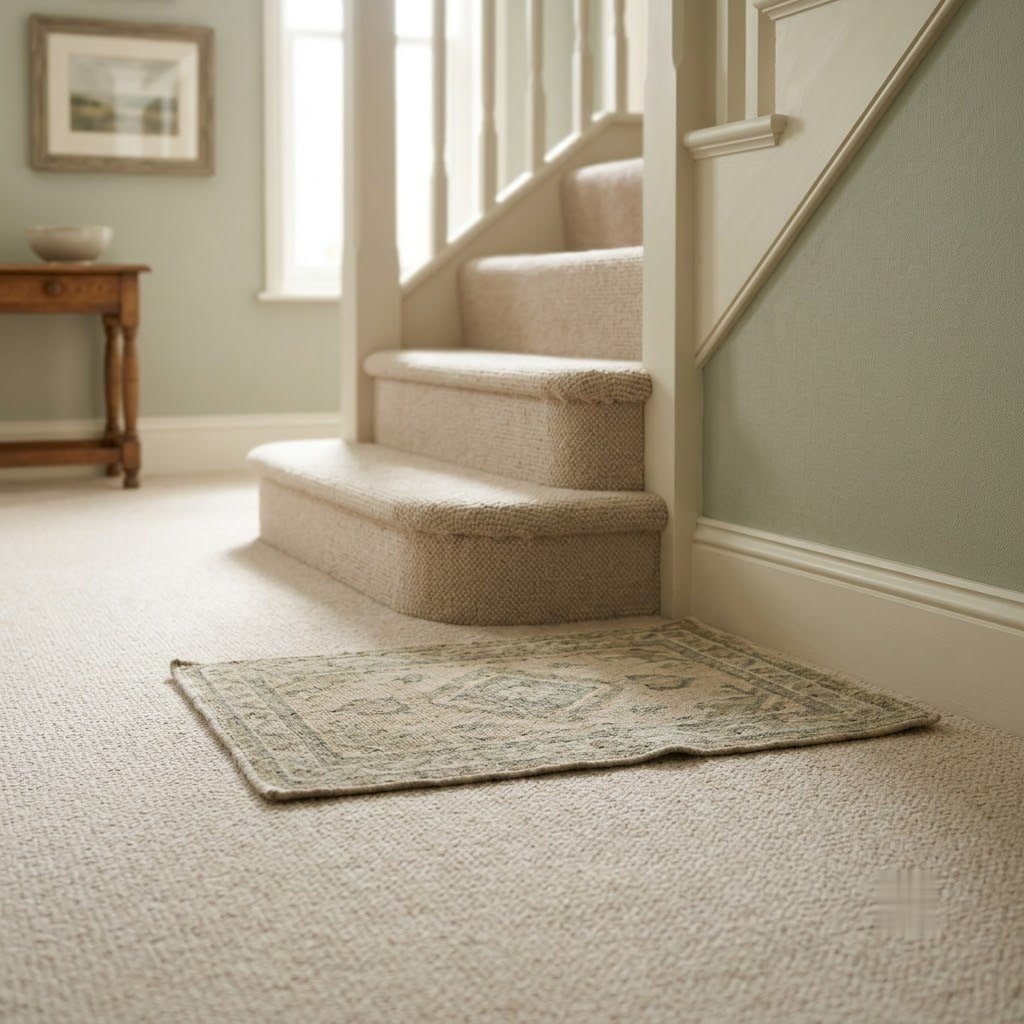
1. Rugs and mats. Particularly small ones, and particularly at doorways and the top of stairs. Either remove them or fix them down properly. This is the most common single hazard in most houses.
2. Poor lighting on the route to the bathroom at night. A plug-in night light in the hall and the bathroom is a small purchase that removes a whole category of risk. Getting up in the dark, half asleep, is when a lot of falls happen.
3. Trailing flexes and clutter on the floor. Extension leads across a walkway, a pile of newspapers beside a chair, shoes left by the door.
4. Slippers and shoes. Loose backless slippers, and shoes with worn smooth soles, are a genuine hazard. Something that fits properly at the heel and grips is worth more than a walking aid.
5. The bathroom. A wet floor and a smooth surface. A non-slip mat in the bath or shower, and a grab rail if getting in and out has become a production, are both worth doing before there is an incident rather than after.
6. Stairs. A handrail on at least one side, the whole way up, and nothing left on the steps.
Five of those six cost nothing or almost nothing. It is the least glamorous list in the world and it prevents more harm than anything you can buy in a bottle.
The cause nobody thinks of
Medicines.
Several very common medicine groups affect balance, alertness or blood pressure in ways that make falls likelier — some blood pressure tablets, sleeping tablets, sedatives, some antidepressants, some painkillers, and water tablets that send you to the bathroom in the night.
Two things make this harder to spot than it should be. The effect can appear years after starting something. And the combination can do what no single medicine does alone.
A pharmacist can review your entire list in one sitting, free of charge. Take the actual boxes. Ask specifically: *”could anything here be making me unsteady, or making me dizzy when I stand up?”*
It is one of the most underused free services available, and it is particularly worth doing after any new prescription.
Two more worth a mention
Eyesight. An out-of-date prescription changes depth perception, and depth perception is how you judge a kerb. A yearly eye test is part of fall prevention even though it does not look like it — and if night vision has become a problem, that is worth its own look.
Muscle. The recovery step needs strength to execute. That means eating enough protein, and spreading it across the day rather than in one large dinner — the reason that matters is here.
Who this is for
This is for you if
- You are over 60 and want to keep your balance rather than get it back later
- You have noticed you steady yourself on furniture more than you used to
- You take several medicines and have never had them reviewed for this
Skip this if
- You have already had a fall — tell your doctor, that changes the assessment and it is important
- You feel dizzy or faint on standing up — that needs checking, it is often the medication
- You have been advised to use a frame or stick — use it, and do the balance work with supervision
What to do this week
Three things, none of them costing anything.
Do the ten-second test at the sink and find out where you stand. Walk through the house looking only at the floor, and deal with the rugs and the flexes. Book fifteen minutes with the pharmacist and take the boxes.
Then keep doing the one-leg stand while the kettle boils. It is the smallest habit on this site and it protects the biggest thing — staying in your own home.
Bones matter too, and calcium alone does not do that job.
One short email a week. Plain English, one thing worth doing, one thing worth asking about. No miracle cures.
Medical disclaimer. This site does not provide medical advice. Information here is for general education only. Consult your doctor or pharmacist before starting any supplement, especially if you take prescription medicine.