This post contains affiliate links. I may earn a commission at no extra cost to you.
The bit that sounds backwards
Most nutritional advice for later life is about having less of something. Less salt, less sugar, less saturated fat.
Protein goes the other way, and it surprises people.
The reason is a change in how the body responds to it. Give a 30-year-old and a 70-year-old the same portion of protein and the younger body builds noticeably more muscle from it. Researchers call this anabolic resistance. In plain terms: the raw material arrives, and less of it gets used.
So the amount that was adequate at 40 is no longer adequate at 70 — not because you are eating worse, but because the same food does less work.
Why it matters more than it sounds
This is not about looking strong, and framing it that way is why so many people ignore it.
Muscle is what gets you out of a chair, up a kerb, and onto a bus. More importantly, muscle is what catches you. When someone stumbles, the recovery — the quick step, the grab at the bannister, the correction that stops a trip becoming a fall — is muscle and reaction working together.
Losing muscle steadily through your sixties and seventies is one of the main reasons an ordinary stumble becomes a broken hip. And a broken hip, at that age, is one of the most serious things that can happen in an otherwise healthy life.
That is the real stake here. Not fitness. Independence.
The mistake almost everyone makes
Look at a typical day:
- Breakfast: toast and tea. Almost no protein.
- Lunch: a sandwich or soup. A little.
- Dinner: meat or fish. A great deal, all at once.
The daily total might look perfectly reasonable on paper. The distribution is the problem.
The body does not store surplus protein for later in any useful way. There appears to be a threshold at each meal below which very little muscle-building is triggered at all — and a very large single serving does not make up for two meals that fell below it.
Which produces a genuinely useful conclusion: moving protein to breakfast does more than adding it to dinner. Same shopping, same effort. Different result.
What that looks like in practice
Easy protein, three times a day
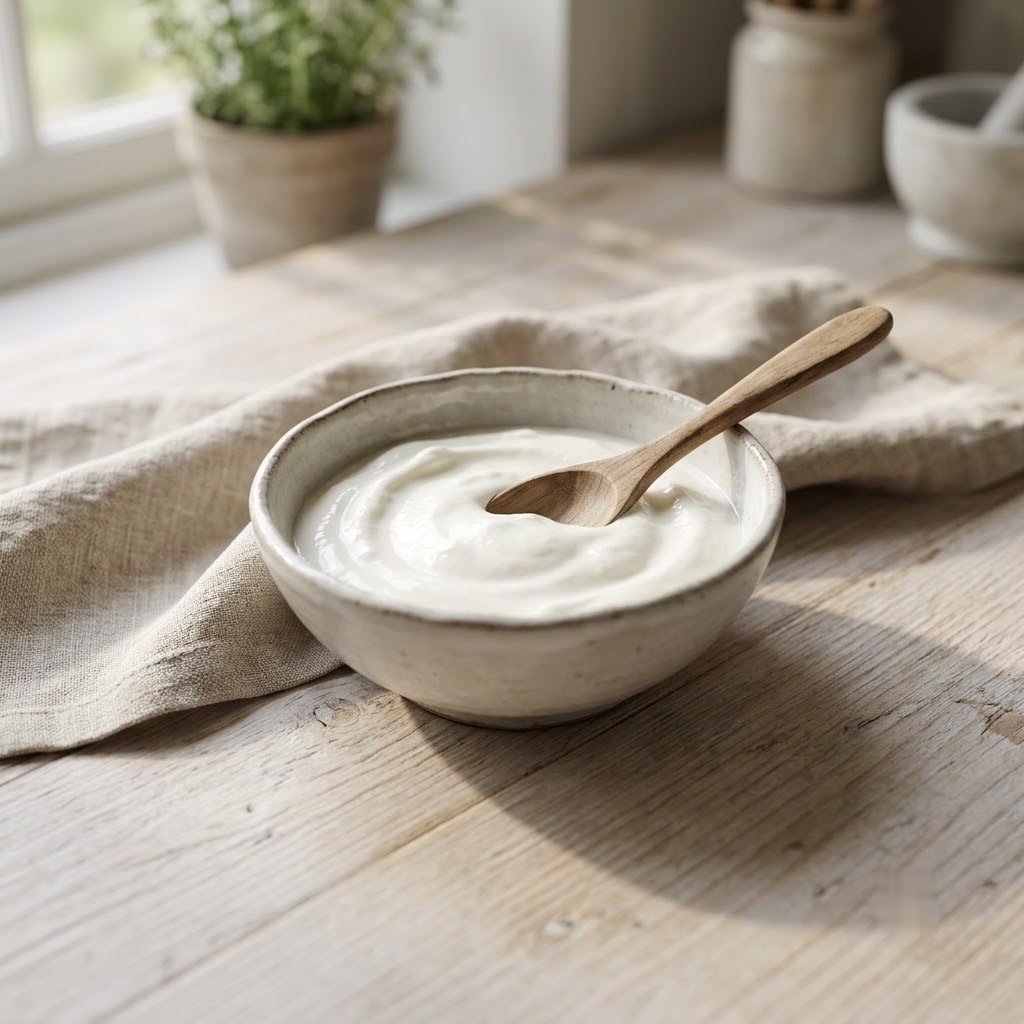
Yoghurt and eggs
The two easiest ways to get real protein into breakfast, which is the meal where nearly everyone falls short. Greek-style yoghurt carries substantially more protein than ordinary yoghurt for the same spoonful.
How to eat it: Plain, not the flavoured pots — those are mostly sugar. Add your own fruit. Two eggs on one slice of toast rather than butter on two slices is the single best breakfast swap there is.
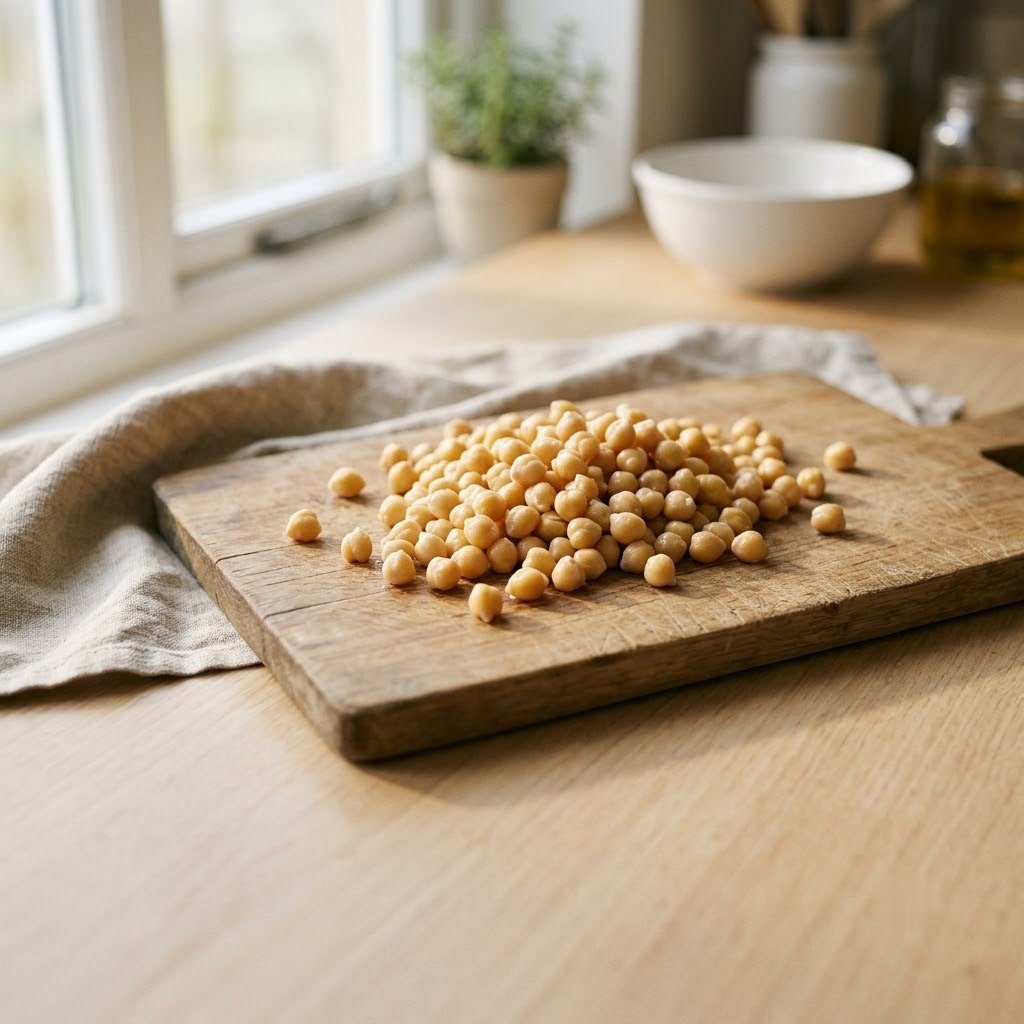
Beans, lentils and chickpeas
Cheap, shelf-stable, and they bring fibre along with the protein. Useful for anyone eating less meat, and useful for stretching a small amount of meat further.
How to eat it: A tin of chickpeas into a soup or a stew takes no skill and no extra cooking time. Rinse them if you are watching sodium.
Introduce them gradually if you are not used to them, and drink enough water — a sudden jump in fibre is uncomfortable for everybody.
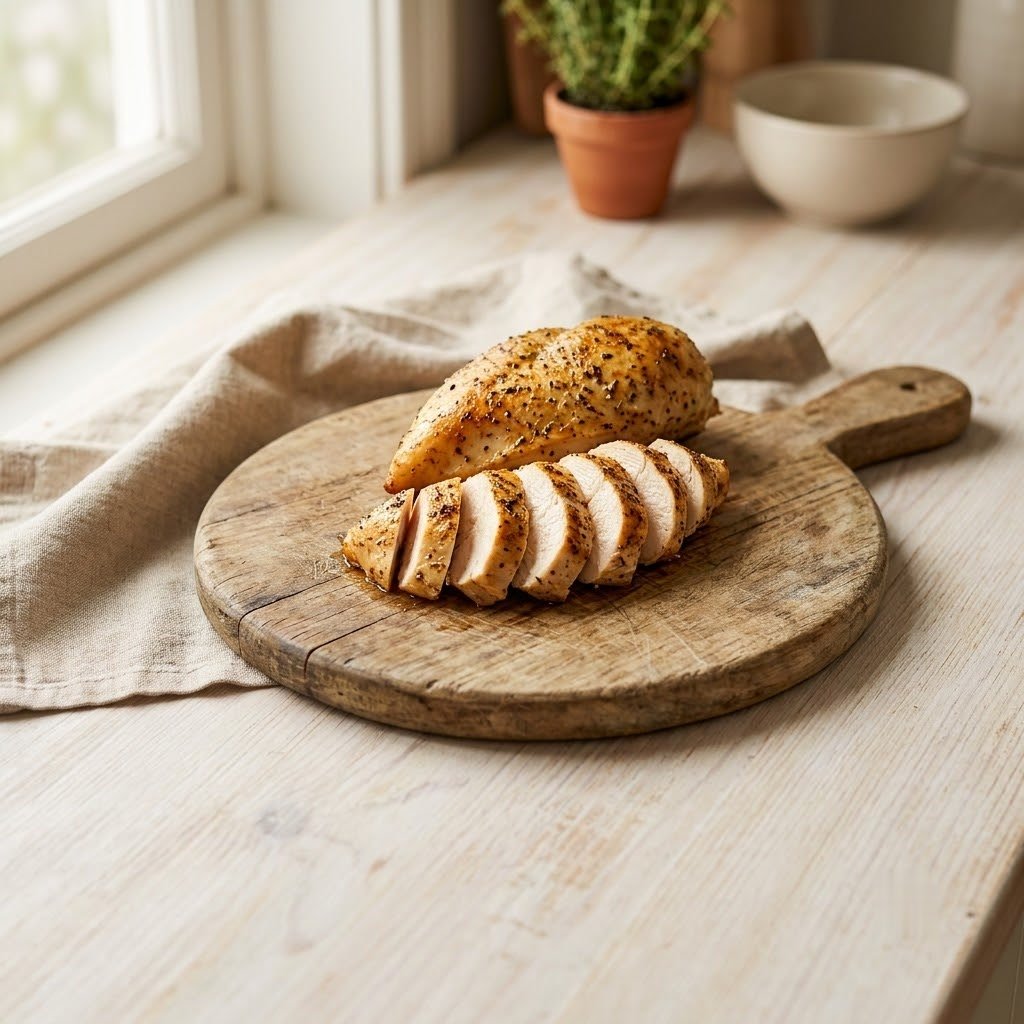
Meat and fish
The densest sources, and the most efficient per mouthful — which matters when appetite is smaller than it used to be.
How to eat it: Cook more than you need and keep the rest. Cold chicken in a sandwich at lunch is the least effortful way to get protein into the middle of the day.
Do you need a protein shake?
Usually not.
Powders exist because they are convenient and profitable, not because food fails. Yoghurt, eggs, fish, beans and meat all work, cost less, and bring other things with them.
There are two situations where a supplement genuinely earns its place: when appetite is so reduced that eating enough food is not realistic, and when someone is recovering from illness or surgery and needs more than they can chew their way through. Both are worth discussing with a doctor or a dietitian rather than deciding in a shop.
If you do buy one, turn the tub around. Serving size is the line that changes every other number on the label — if a serving is three scoops, the protein figure on the front is for three scoops, and the tub lasts a third as long as you assumed.
The other half, which is free
Protein is raw material. Raw material sitting unused does not become muscle.
Muscle is built when it is asked to do something and then given something to rebuild with. Without the asking, the extra protein is simply extra food.
The asking does not require a gym:
- Stand up from a chair without using your hands. Ten times, once or twice a day. This is precisely the movement that gets you off a low sofa and out of a car, and it is trainable at any age.
- Walk most days. Briskly enough that talking takes a little effort.
- Carry the shopping rather than making two light trips.
- Use the stairs when there are stairs.
That chair exercise is the highest-value thing on this entire page, and it costs nothing at all. Balance is worth training alongside it — there is a ten-second test for it here.
Who this is for
This is for you if
- You are over 60 and eat very little protein at breakfast
- You have noticed getting out of a low chair is harder than it was
- Your appetite has fallen and you are eating less across the board
- You are recovering from an illness, surgery or a spell in hospital
Skip this if
- You have kidney disease or reduced kidney function — protein advice is different and sometimes reversed for you
- You have been told to limit protein for any other medical reason — follow that advice, not this page
- You have lost weight without trying — see a doctor first, this is not the explanation to settle on
The short version
Put protein in breakfast. Eggs or Greek yoghurt instead of toast and tea. That one change does more than a bigger dinner ever will, because the body cannot bank what it gets in one sitting.
Then ask the muscle to do something. Ten stands from a chair, most days.
Food and movement together build muscle. Either one alone mostly does not — and muscle, at this stage of life, is what keeps you living in your own home.
The bones underneath it need their own attention, and calcium on its own does not do that job.
One short email a week. Plain English, one thing worth eating, one thing worth trying. No miracle cures.
Medical disclaimer. This site does not provide medical advice. Information here is for general education only. Consult your doctor or pharmacist before starting any supplement, especially if you take prescription medicine.