
This post contains affiliate links. I may earn a commission at no extra cost to you.
The sentence that stops the search
“You’re just getting older.”
Sometimes it is true, and there is a real, gentle decline in stamina over the decades that nobody should be alarmed by.
But the phrase has a bad habit. Once it is said, the looking stops — by the doctor sometimes, but much more often by the person themselves, who decides not to bring it up again because they do not want to seem like they are making a fuss.
Ageing alone does not usually leave someone exhausted for months at a time. If getting through the afternoon has become a project, that is worth taking seriously, and it is worth being specific about.
Here are the seven things most likely to be behind it.
1. Low vitamin B12
Produces exactly what everyone expects from ageing: low energy, foggy thinking, pins and needles in hands and feet. Which is why it hides so well.
Absorption gets harder with age, and two very common long-term medicines — metformin and stomach acid tablets — make it harder still. The full explanation is here, and the test is ordinary.
2. Low iron
Less blood carrying oxygen means everything takes more effort. Breathlessness on stairs that used to be fine is a classic sign, as is unusual paleness.
The important part is not the iron. It is why. In a man, or in a woman past the menopause, new iron deficiency is a finding that deserves an explanation rather than just a supplement — sometimes it is the first sign of slow bleeding somewhere in the digestive tract.
That is a real reason not to self-treat with iron tablets bought off a shelf. Correcting the number without asking the question can delay finding something important.
3. An underactive thyroid
Tiredness, feeling cold when others are comfortable, weight gain that does not match what you are eating, dry skin, slow thinking, low mood.
Extremely common in later life, particularly in women. It is a simple blood test and, when it is the cause, treatment makes a substantial difference.
4. Undiagnosed or poorly controlled blood sugar
Type 2 diabetes develops slowly and frequently without dramatic symptoms. Persistent tiredness, increased thirst, needing to pass urine more often — particularly at night — and slow-healing cuts are the usual quiet signs.
Another routine blood test.
5. Sleep that is not doing its job
This is the one people most often rule out incorrectly, because they judge sleep by hours in bed rather than by how they feel the next day.
Two patterns matter most:
- Waking at three and not getting back — a specific problem with specific causes, mostly blood sugar and alcohol. We go through it here.
- Sleeping a full night and waking exhausted anyway. This is the one that is not a habits problem at all. Loud snoring alongside daytime tiredness points towards sleep apnoea, which is common, frequently undiagnosed, and treatable. If a partner has mentioned snoring or gasping, bring it up.
6. Your own medicine cabinet
Several very common medicine groups list tiredness among their effects — some blood pressure tablets, antihistamines, certain antidepressants, sleeping tablets, some painkillers.
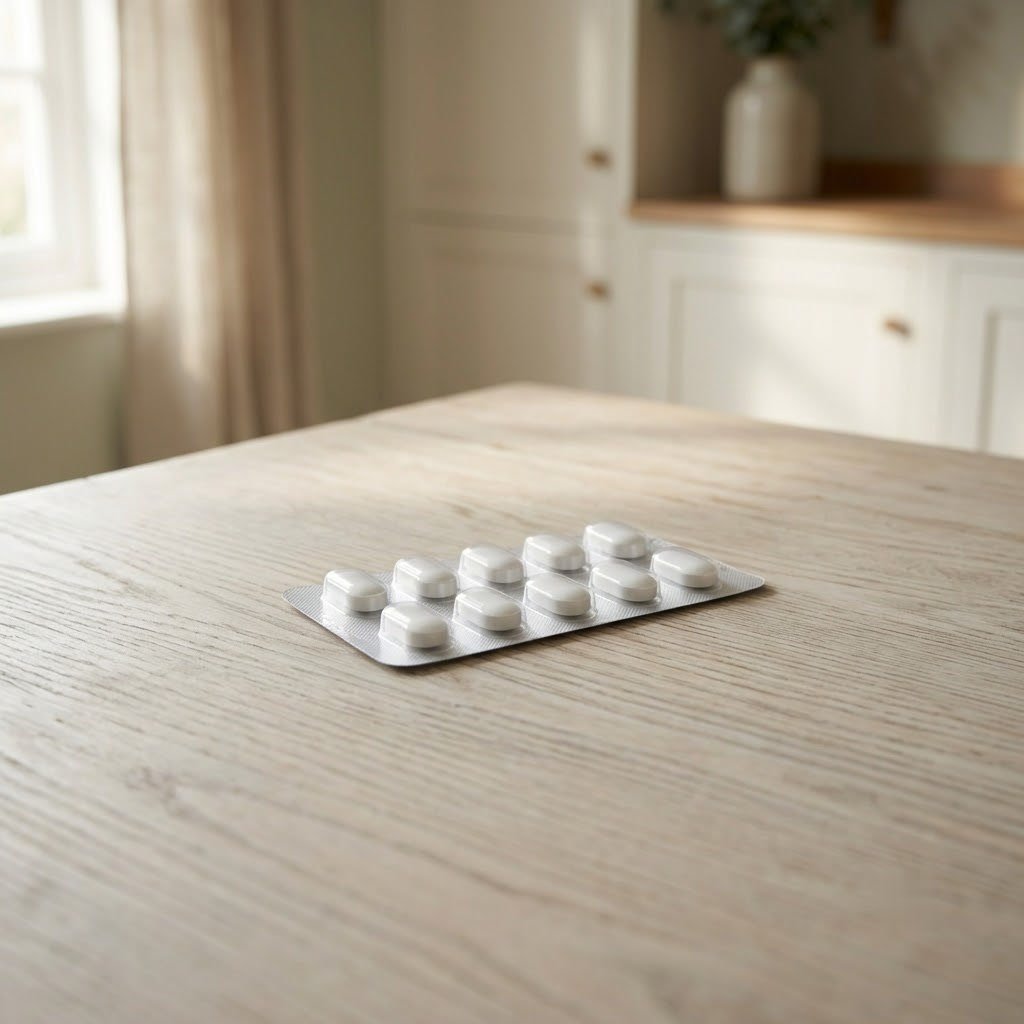
Two things make this harder to spot than it should be. Effects can appear years after starting something. And when several medicines are taken together, the combination can do what no single one does alone.
You do not need an appointment with a doctor for this. A pharmacist can review your entire list in one sitting, free of charge, and flag anything worth raising. It is one of the most underused things available and it takes about fifteen minutes.
Bring the actual boxes, not a list from memory.
7. Eating too little, without noticing
Appetite often falls with age. Taste changes, cooking for one is a chore, and a cup of tea and a biscuit quietly replaces a meal.

The result is not dramatic hunger. It is a slow drift into eating too little — particularly too little protein, which the body needs more of after 60, not less, because it becomes less efficient at using it. That one is worth understanding properly.
If you have lost weight without meaning to, that is not a success. Unintentional weight loss is something to mention to a doctor, not something to be pleased about.
Two more, harder to talk about
Low mood. Depression in later life often does not look like sadness. It looks like exhaustion, loss of interest, and not being able to face things that used to be easy. It is common, it is treatable, and people frequently do not raise it because it does not feel like a medical problem.
Loneliness and too little to do. Not a diagnosis, but a genuine cause of the kind of tiredness where energy returns the moment something interesting appears. Worth being honest with yourself about, because the answer is different from anything in a bottle.
Who this is for
This is for you if
- You have been tired for weeks or months and it is affecting what you can do
- You have been told it is your age but nothing was tested
- You take several medicines and have never had the list reviewed
Skip this if
- You have chest pain, breathlessness at rest, or sudden severe fatigue — that is today, not this week
- You have lost weight without trying — see a doctor rather than working through a list
- You want a supplement to fix it before knowing the cause — that is the wrong order, and it can mask things
What to do this week
Two appointments, both of them ordinary.
The pharmacist. Take the actual boxes and ask whether anything on the list could be causing tiredness. Free, no appointment usually needed.
The doctor. Ask for a basic panel — B12, iron, thyroid, blood sugar. Bring two facts: how long this has been going on, and what specifically you can no longer do that you could a year ago. That second sentence is what turns a vague complaint into something investigable.
If everything comes back clear, you have lost nothing and gained a real starting point. And if something turns up, you will have found a tiredness that has an answer — which is a much better outcome than one that does not.
One short email a week. Plain English, one thing worth asking about, one thing worth ignoring. No miracle cures.
Medical disclaimer. This site does not provide medical advice. Information here is for general education only. Consult your doctor or pharmacist before starting any supplement, especially if you take prescription medicine.