This post contains affiliate links. I may earn a commission at no extra cost to you.
What food can and cannot do
Let us be precise, because this is where most articles quietly overpromise.
If cartilage has worn down, no food rebuilds it. That is a structural change and eating differently does not reverse it.
But the ache you feel is not purely structural. A significant part of day-to-day joint discomfort comes from inflammation in and around the joint, and inflammation *is* influenced by what you eat. That is the honest space food operates in — not repair, but the level of irritation sitting on top of whatever wear is already there.
For a lot of people that difference is the difference between an uncomfortable morning and a manageable one. Which is worth having. It is just not the same as a cure, and it should not be sold as one.
The three worth trying
Ordinary food, reasonable support
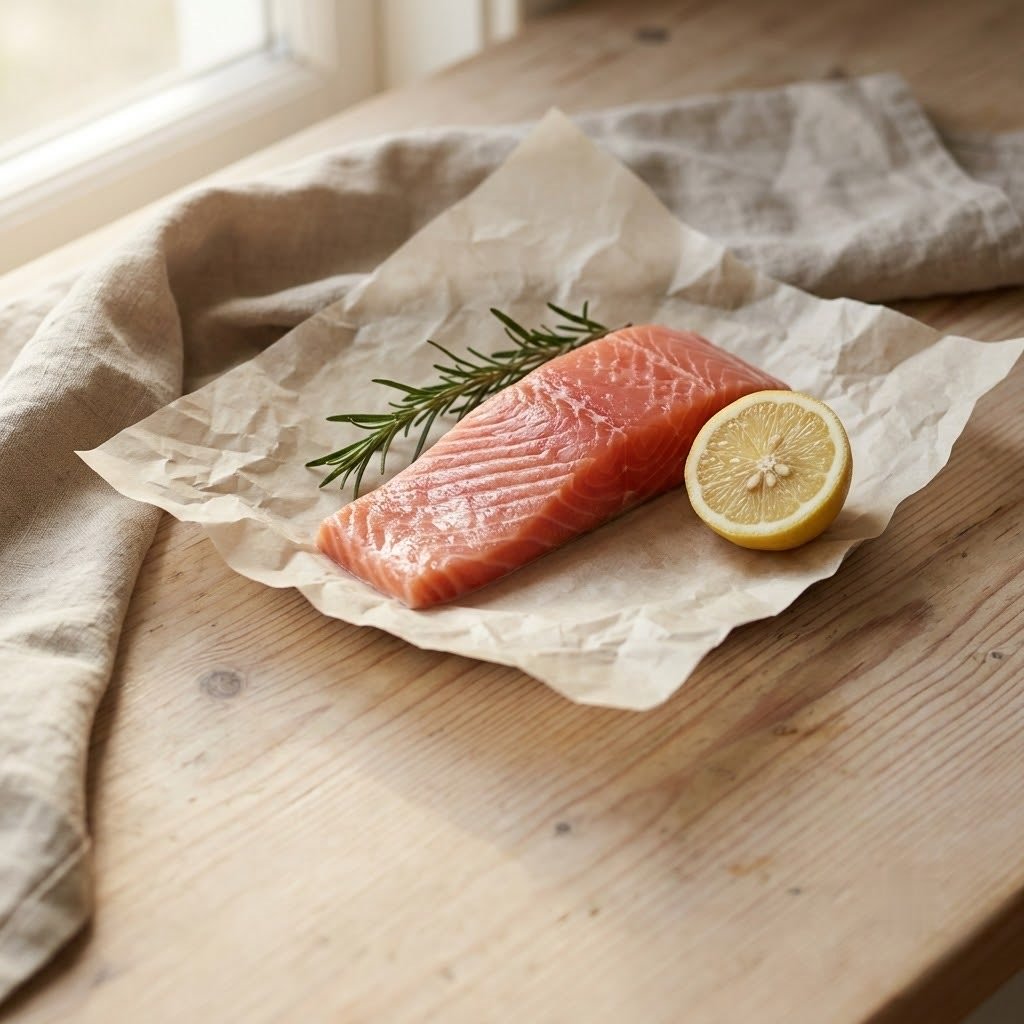
Oily fish
Salmon, sardines, mackerel and herring supply long-chain omega-3 fats, which the body uses to produce compounds that resolve inflammation rather than drive it. This is the best-supported item on the list.
How to eat it: Twice a week. Tinned counts and costs a fraction of fresh — and because it keeps in the cupboard, it is the version you will actually eat.
If you take a blood thinner, mention high-dose fish oil supplements to your doctor. Eating fish is a different matter from taking concentrated capsules.
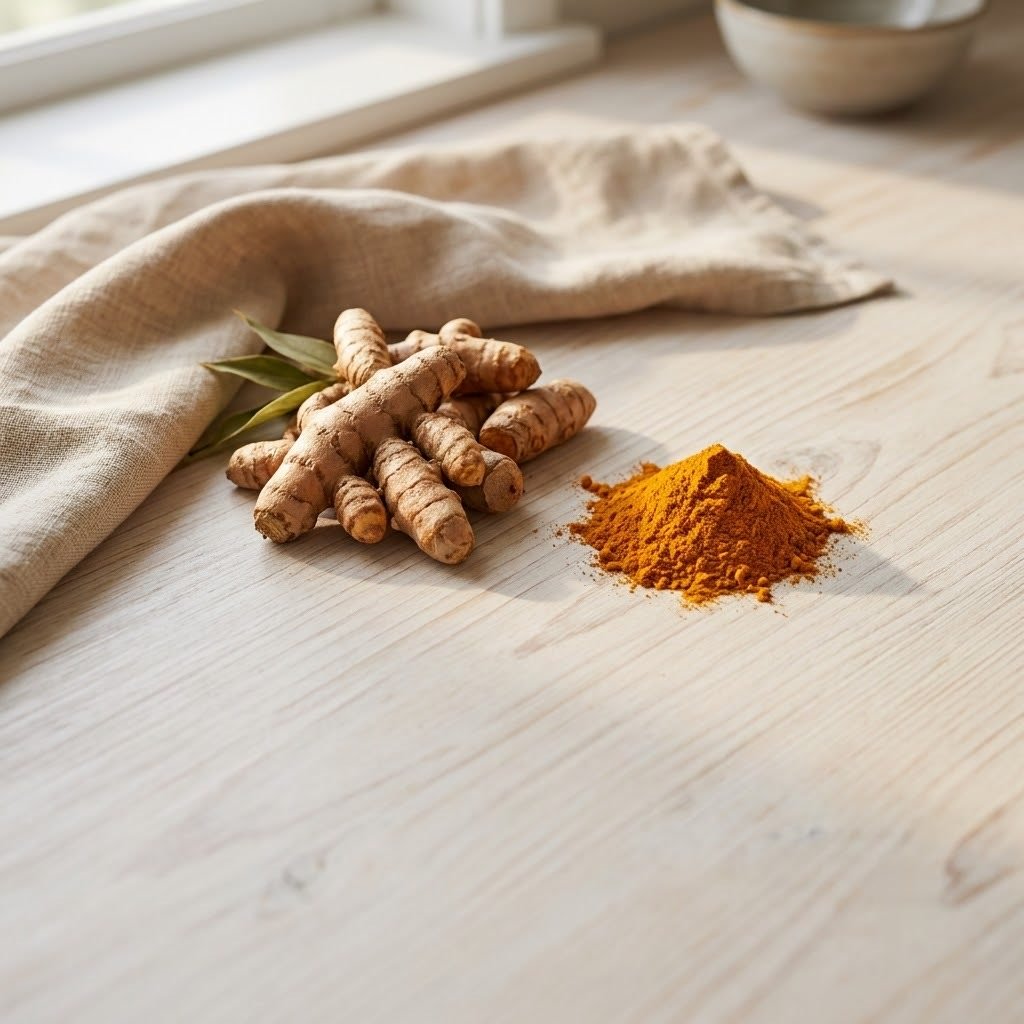
Turmeric — with black pepper
The active compound in turmeric is curcumin, which has been studied extensively for inflammation. The catch is that on its own it is very poorly absorbed — most of what you swallow never reaches the bloodstream.
How to eat it: A compound in black pepper substantially improves how much curcumin is absorbed, and fat helps too. So turmeric in a curry with oil and pepper is doing something. Turmeric stirred into hot water is largely decorative.
Turmeric can interact with blood thinners and is not advised for everyone with gallstones. Check before taking it in supplement doses.
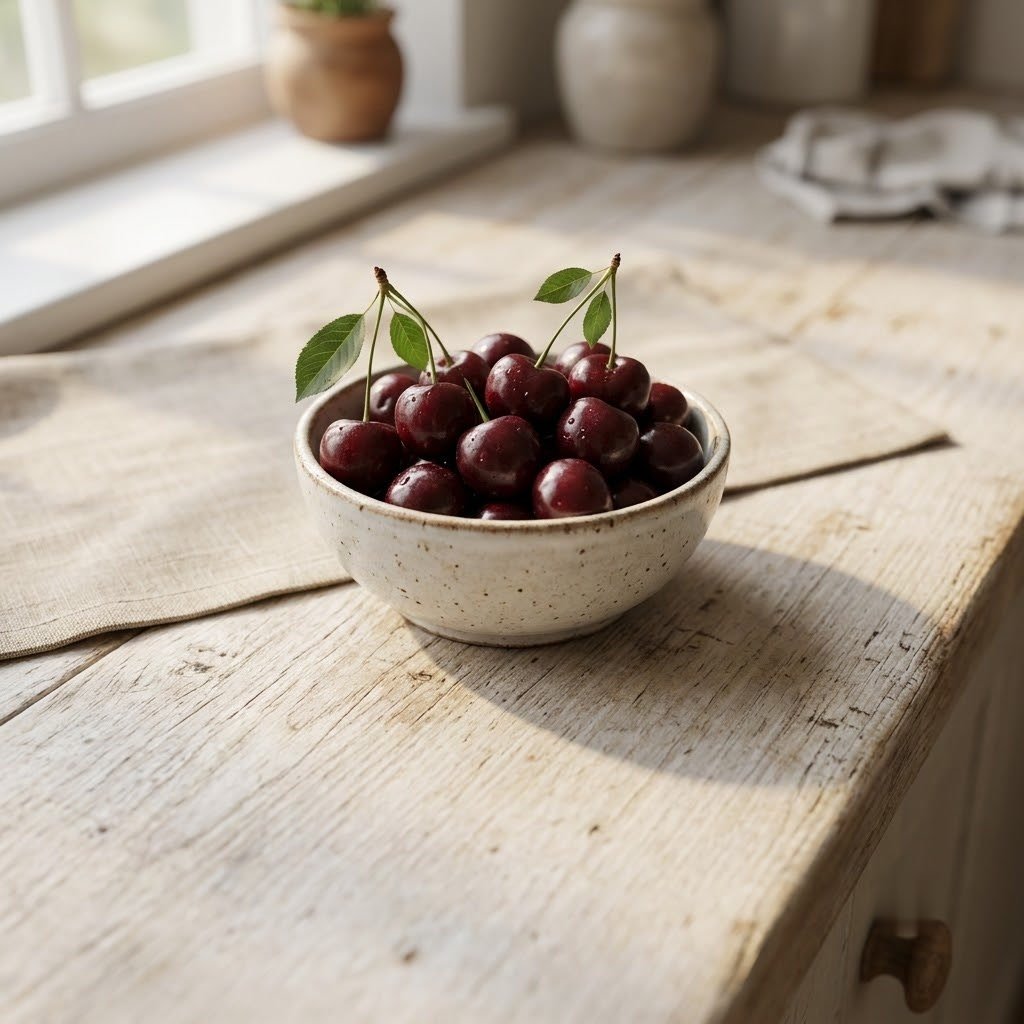
Tart cherries
Cherries carry anthocyanins — the pigments that make them dark red. They have been studied for exercise-related soreness and for gout specifically, and they are one of the few fruits with a targeted body of research behind them.
How to eat it: Frozen works and costs far less out of season. Juice is concentrated, which also makes it high in sugar — worth knowing if you are watching blood sugar.
The absorption detail that decides everything
The turmeric point is worth pulling out on its own, because it explains a lot of disappointed customers.
A very large number of people try turmeric, feel nothing, and conclude it does not work. In many cases the compound never got into them in the first place. Curcumin has poor bioavailability — the body simply does not take much of it up unaided.
What improves it:
- Black pepper, which contains a compound that meaningfully increases absorption
- Fat in the same meal, because curcumin is fat-soluble
- Heat, which is why it works well cooked into a dish
So a curry made with oil, pepper and turmeric is a reasonable delivery system. A spoonful of turmeric in warm milk with nothing else is a much weaker one.
If you buy a supplement instead, this is the single thing to check on the back of the box: does it include black pepper extract, or a formulation designed for absorption? A product without one is usually cheap for a reason.
Eight weeks, not two
This is the piece of advice most likely to actually change your outcome, and it has nothing to do with what you buy.
Joint pain fluctuates on its own. It is worse in some weeks than others for reasons that have nothing to do with anything you did — weather, activity, how you slept, what else is going on in the body. That natural variation is large enough to completely mask a modest real effect over a short period.
Which produces two mistakes, in opposite directions:
- You try something for two weeks during a naturally bad patch, feel no better, and abandon something that was working.
- You try something during a naturally improving patch, feel better within days, and credit the wrong thing — then keep buying it for years.
Anti-inflammatory dietary changes act gradually. Eight weeks is a fair trial. And keep it simple: change one thing at a time, or when something does help you will have no idea which part did it.
A note kept on the kitchen calendar — a number out of ten each morning — is worth more than memory here. Memory is unreliable about pain in a very specific way: it remembers the bad mornings.
The part that beats all of it
Movement.
Joints are lubricated by being used. The fluid inside them is circulated by motion, and cartilage has no blood supply of its own — it is fed by that fluid moving in and out as the joint bends. Rest a joint completely and it gets stiffer, not better.
This is why morning stiffness that eases within twenty minutes is so common: eight hours still, and the machinery has gone quiet. It usually means the ordinary kind of wear rather than anything inflammatory. Stiffness that lasts more than an hour every morning is a different pattern and is worth mentioning to a doctor — we set out the difference here.
The practical version:
- Move the joint before you load it. Ten slow bends sitting on the edge of the bed, before your feet take any weight.
- Walking is better than not walking, even when it is the last thing you want to do.
- Strength around the joint matters as much as the joint. Muscle takes load off it.
If you did only the movement and none of the food, you would still be ahead.
Two things worth knowing
Weight. For knees and hips, every kilogram removed takes several times that off the joint with each step, because of how forces multiply through the leg. It is not a comfortable subject and it is not easy, but of everything on this page it has the largest effect on load.
Gout is not the same thing. If a single joint — classically the big toe — becomes suddenly, severely painful, red and hot, that is not wear-and-tear and the dietary advice is different and specific. See a doctor rather than treating it as arthritis.
Who this is for
This is for you if
- You have ordinary age-related joint aching and want to try food and movement first
- You have tried turmeric, felt nothing, and want to know whether you were taking it usefully
- You want to support what you are already doing, alongside whatever your doctor has advised
Skip this if
- A joint is suddenly hot, red and severely painful — that needs seeing, not a shopping list
- Your morning stiffness lasts more than an hour every day — different pattern, tell your doctor
- You take a blood thinner and are considering high-dose fish oil or turmeric capsules — ask first
- You are hoping to replace prescribed treatment with food — that is not what this does
The short version
Fish twice a week. Turmeric in cooking, with pepper and oil, not stirred into water. Frozen cherries in the freezer.
Then move the joint before you load it, every single morning, because that costs nothing and does more than the rest of the list.
And give it eight weeks with one change at a time. Two weeks tells you nothing except what sort of fortnight you happened to have.
Strong joints also need the bones underneath them to hold up — calcium on its own is not enough for that, and here is why.
One short email a week. Plain English, one thing worth trying, one thing worth asking about. No miracle cures.
Medical disclaimer. This site does not provide medical advice. Information here is for general education only. Consult your doctor or pharmacist before starting any supplement, especially if you take prescription medicine.