This post contains affiliate links. I may earn a commission at no extra cost to you.
Start with the uncomfortable sentence
There is no food that prevents dementia.
That needs saying at the top, because the entire “brain health” aisle is built on implying otherwise without quite saying it. Read the boxes closely and you will notice how carefully the claims are worded — *supports* cognitive function, *helps maintain* memory. Those phrases are chosen by lawyers, not by scientists.
So what is this article for?
Because “no food prevents dementia” is not the same as “food does nothing”. Your brain is fed by blood vessels. Whatever is good for the vessels supplying the heart is, broadly, good for the vessels supplying the brain. That connection is well established and it is the honest basis for everything below.
Modest, real, and worth doing. Just not a cure, and not sold as one here.
The three worth putting in the trolley
Ordinary food, reasonable evidence
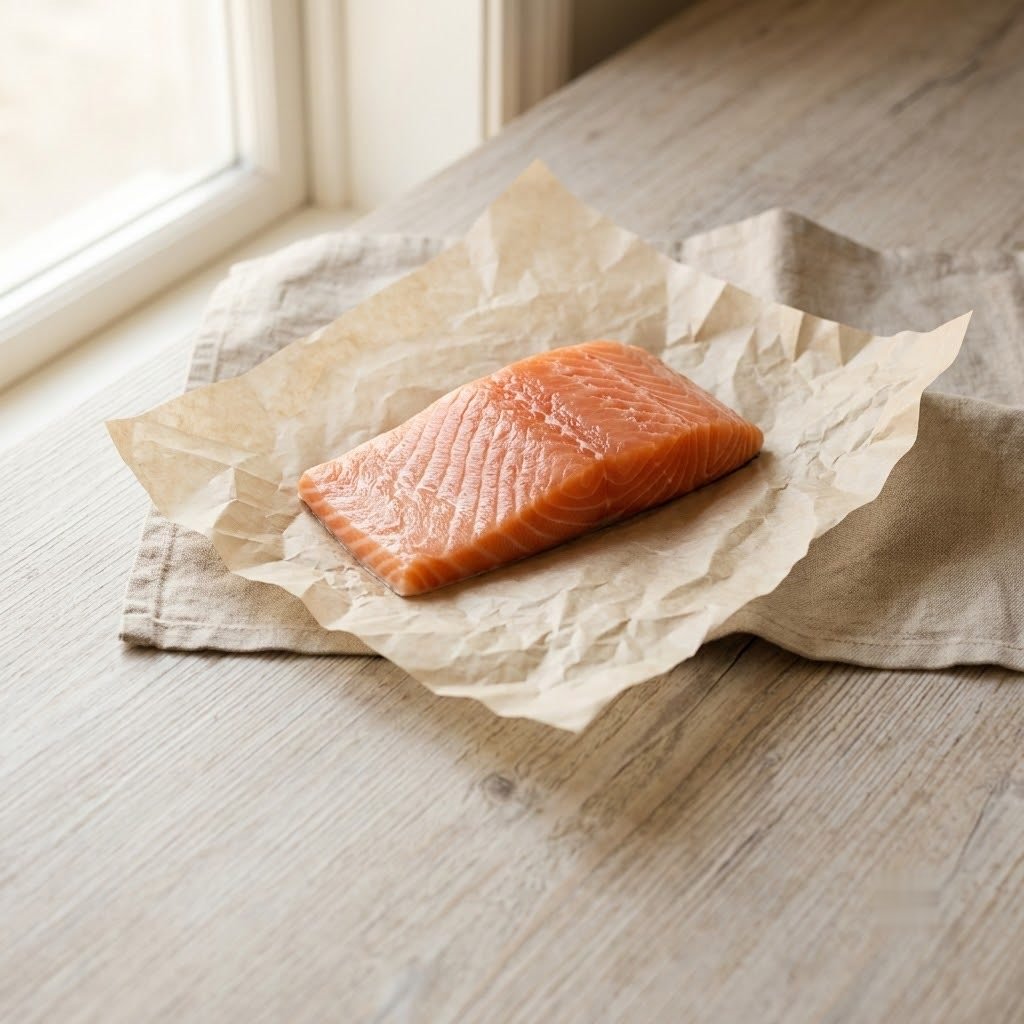
Oily fish
Salmon, sardines, mackerel and herring supply the long-chain omega-3 fats that make up part of the structure of brain cell membranes. Diets consistently higher in oily fish are associated with better cardiovascular health, and the brain depends on that circulation.
How to eat it: Twice a week is the usual suggestion. Tinned counts, costs a fraction of fresh, and keeps in the cupboard for years — which matters, because the fish you actually eat beats the fish you meant to buy.
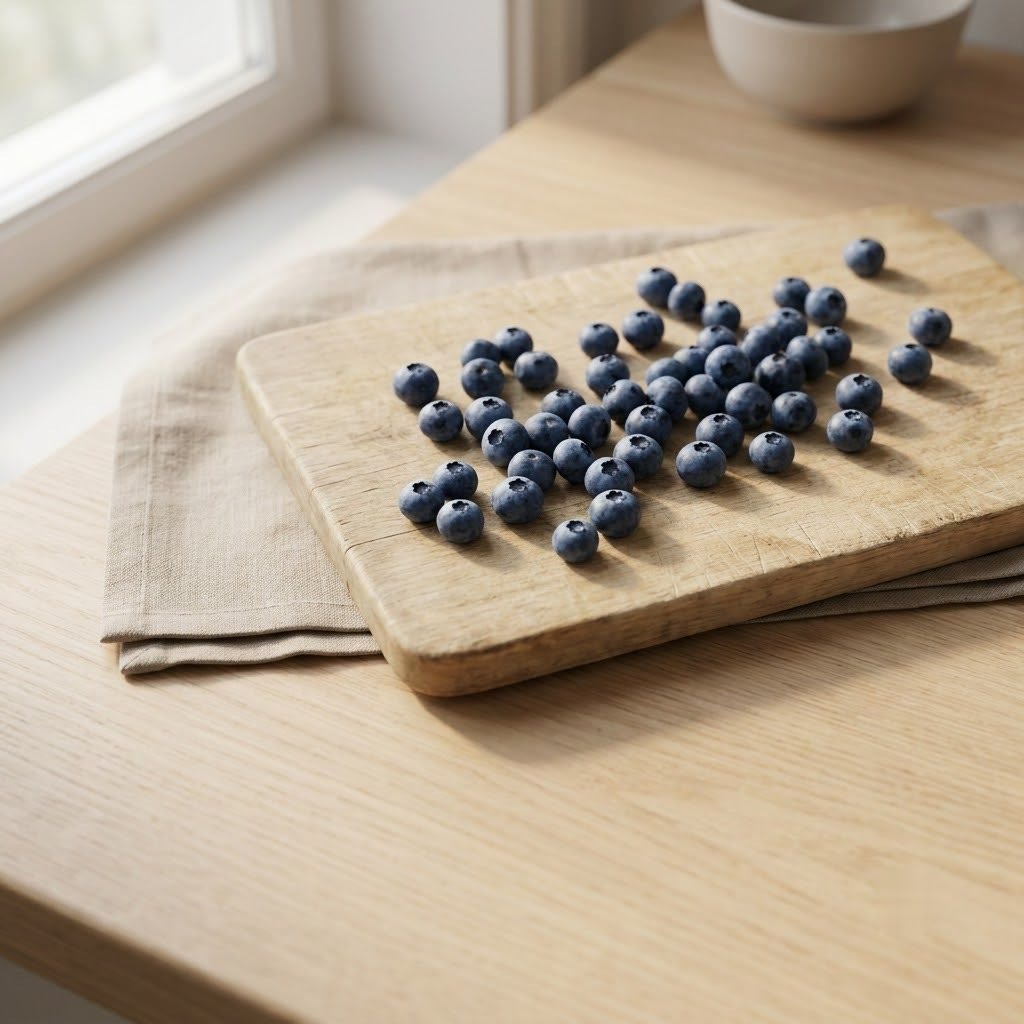
Berries
The deep blue and red pigments in blueberries, blackberries and cherries are anthocyanins. Berries are among the most studied everyday foods in relation to cognitive ageing, and they are one of the few where the research points in a consistent direction.
How to eat it: Frozen is as good as fresh for this purpose and costs far less out of season. A handful on porridge is the least effortful way to eat them every day.
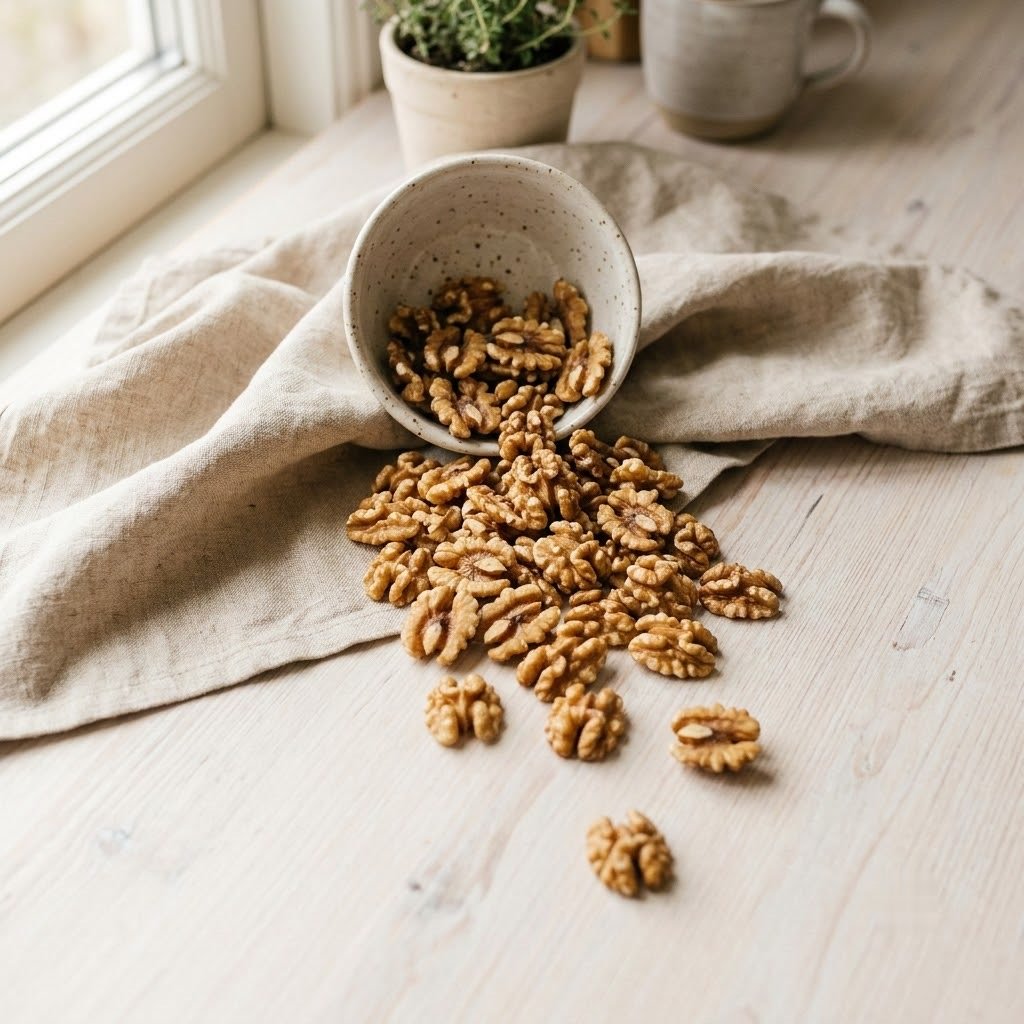
Walnuts
Walnuts carry a plant form of omega-3 along with vitamin E and polyphenols. They are also the practical answer to the mid-afternoon biscuit, which is where their value quietly doubles.
How to eat it: A small handful a day. Buy them shelled and plain — the honey-roasted kind is a confectionery wearing a nut costume.
Nuts are calorie-dense. A handful is a handful, not a bowl.
You will notice the list is short. That is deliberate. It could easily have been twenty items long by including everything with a single promising study attached, and it would have been less useful for it.
What the aisle sells that the evidence does not support
A brief tour, because knowing what to walk past saves more money than knowing what to buy.
Ginkgo biloba. Probably the most heavily marketed memory supplement there has ever been. It has been studied extensively, including in large long-term trials, and the results have been persistently disappointing for prevention of cognitive decline. It also interacts with blood thinners, which is a real consideration for many people over 60.
Coconut oil. A run of enormously popular claims that were never supported by good evidence. It is a saturated fat. Whatever you think about saturated fat generally, there is no good reason to treat it as brain medicine.
“Proprietary blends” with impressive-sounding botanical names. The phrase *proprietary blend* is not a scientific term. It is a labelling device that legally permits a manufacturer to list ingredients without disclosing how much of each is present. Which means that the impressive ingredient may be there in a quantity too small to do anything at all. If a label uses that phrase, you genuinely cannot tell what you are buying.
Anything promising to “reverse” memory loss. That word is the clearest signal on any label. Nothing sold without a prescription reverses memory loss, and the claim itself tells you how the company regards its customers.
The two things that beat all of it
This is the part that no one can package and sell, which is probably why it gets so much less attention.
Sleep. During deep sleep the brain runs a clearance process that removes metabolic waste accumulated during the day. Chronically poor sleep is one of the most consistent factors associated with worse cognitive outcomes. If you are sleeping badly, fixing that is worth more than anything described above — and there are specific, fixable causes. Waking at 3am in particular is a different problem from insomnia, with a different answer.
Walking. Physical activity increases blood flow to the brain and is among the most consistently supported interventions in the whole field. Not a gym. A brisk walk most days.
If you did nothing else on this page except sleep better and walk more, you would be doing more for your memory than the entire supplement aisle offers.
Before you blame age
Poor memory has causes that are boring, common, and treatable. They get skipped because they are less dramatic than the alternative.
Worth ruling out first:
- Low B12. It produces foggy thinking that looks exactly like ordinary ageing. One blood test settles it, and there are common medicines that make it more likely.
- An underactive thyroid. Slow thinking, tiredness, feeling cold. Also a simple blood test.
- Poor sleep, including sleep apnoea — which is frequently undiagnosed and frequently presents as daytime fogginess rather than as a sleep complaint.
- Medication side effects. Several common medicine groups affect memory and alertness, and the effect can appear years after starting. A pharmacist can review your whole list in one sitting.
- Low mood. Depression in later life often shows up as poor concentration and memory rather than as sadness. It is treatable.
Every one of those is more common than people assume, and every one has an answer. That is why they come before the shopping.
Who this is for
This is for you if
- You are over 60 and want to look after your brain through ordinary food and habits
- You want to know which supplements are worth ignoring before you spend money
- You have noticed you are misplacing things more often and want a sensible starting point
Skip this if
- You are looking for something that prevents or reverses dementia — that does not exist to buy
- You or a family member have noticed changes that are affecting daily life — that needs a doctor now, not a shopping list
- You take a blood thinner and are considering ginkgo — do not start it without asking first
And one line that matters more than the rest of the page. Ordinary forgetfulness and the kind that needs looking at are genuinely different, and the difference is not about *how often* — it is about *what kind*. We set out the distinction here. If anything in that list sounds familiar, please do not sit on it.
The short version
Eat fish twice a week. Keep frozen berries in the freezer. Put walnuts where the biscuits are.
Then sleep properly and walk most days, because those two are worth more than everything in the supplement aisle combined and cost nothing at all.
And rule out the boring causes before you accept “it’s just my age” as an explanation. Quite often, it isn’t.
One short email a week. What’s worth eating, what’s worth ignoring, and what’s worth asking your doctor. No miracle cures, because there are none.
Medical disclaimer. This site does not provide medical advice. Information here is for general education only. Consult your doctor or pharmacist before starting any supplement, especially if you take prescription medicine.