This post contains affiliate links. I may earn a commission at no extra cost to you.
The half of the story nobody tells you
Every list of “blood pressure foods” says the same thing: eat less salt.
That advice is not wrong. It is just half of a sentence, and the missing half is the part that makes the whole thing work.
Your body manages blood pressure partly through a balance between two minerals — sodium and potassium. Sodium pulls water into the bloodstream. Potassium helps the kidneys let sodium go. When potassium is low, the kidneys hold on to sodium whether you salted your dinner or not.
So cutting salt while eating almost no potassium is like bailing water out of a boat while ignoring the hole. It helps. It just does not help nearly as much as it could.
Most people over 60 are already eating less salt than they think — and far less potassium than they need. That is the gap worth closing.
The salt shaker was never the main problem
Here is the part that surprises people.
For most adults, the shaker on the dinner table accounts for a small share of daily sodium. The rest arrives already inside the food, long before it reaches the plate. Bread. Tinned soup. Cheese. Ham and sliced meats. Sauces and gravies.
None of those taste especially salty, which is exactly why they slip past.
Bread is the one that catches everyone out. One slice is not much. Four slices a day — two at breakfast, two at lunch — quietly becomes one of the biggest sodium sources in an ordinary week. And two loaves sitting on the same shelf can differ enormously.
That is a whole article in itself, and we wrote one: where the salt is actually hiding in everyday food. For now, the short version is this — fighting the shaker is the least useful change you can make. Changing the bread is one of the most useful.
Five foods that do most of the work
What to put in the trolley
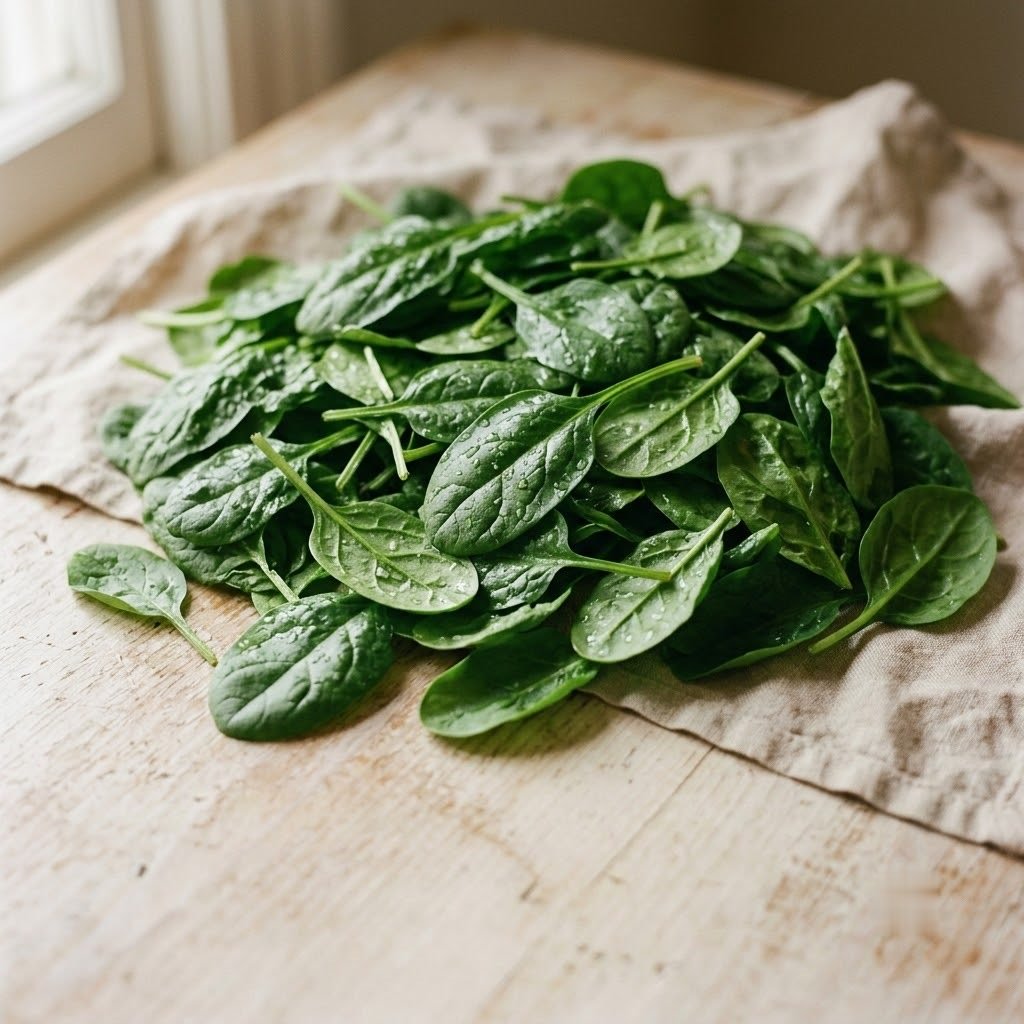
Dark leafy greens
Spinach, kale, chard and collards are among the densest everyday sources of potassium — the mineral that helps the kidneys clear excess sodium. They also carry magnesium, which the blood vessel walls use to relax.
How to eat it: Cooked goes further than raw. A large bag of spinach wilts down to a couple of spoonfuls, which is a far easier way to eat a real portion than working through a salad bowl.
On warfarin? Do not suddenly eat far more greens. Vitamin K affects how warfarin works — the goal is a steady amount week to week, not zero. Tell your doctor before you change your intake.
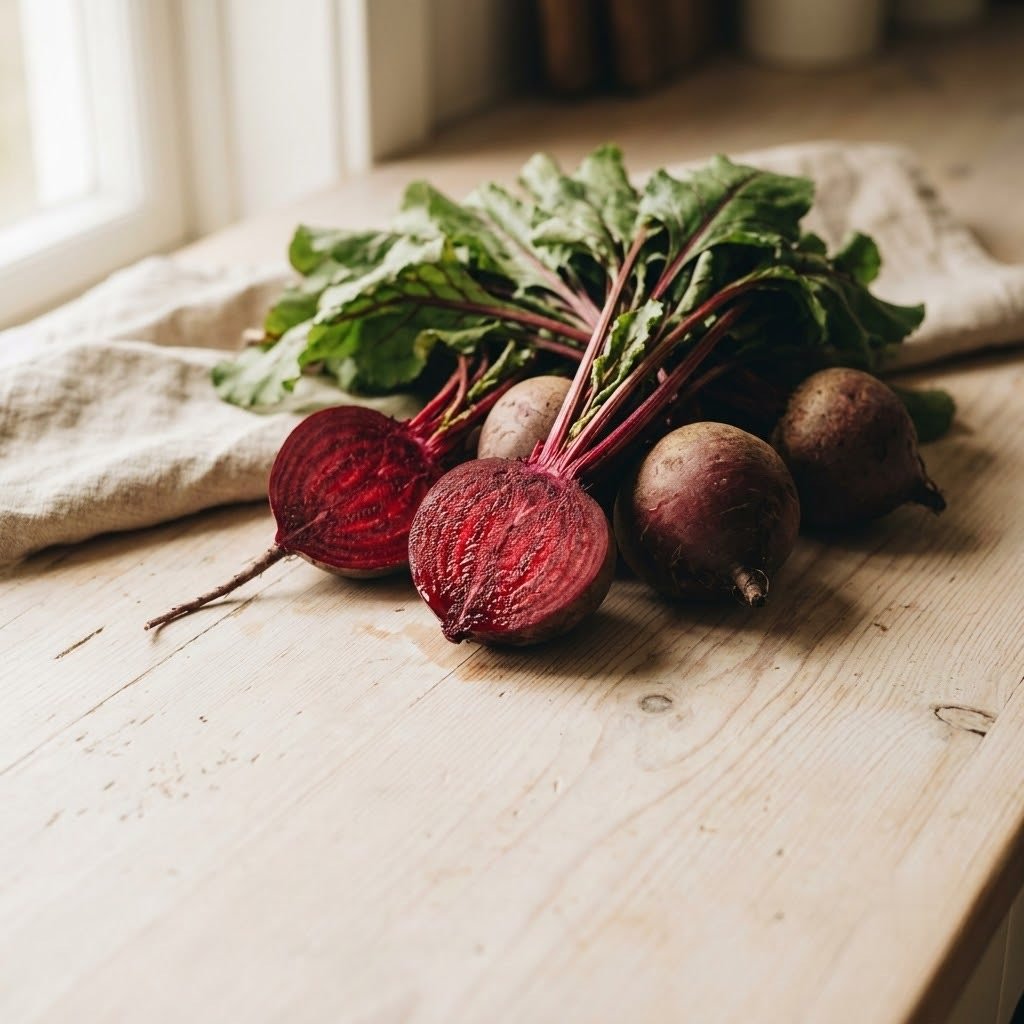
Beetroot
Beetroot is high in dietary nitrate, which the body converts into a compound that helps blood vessels widen. It is one of the few foods studied specifically for its effect on blood pressure rather than as part of a general healthy diet.
How to eat it: Cooked, roasted, grated raw into a salad, or as juice. Juice is the most concentrated form — which is exactly why it needs the warning below.
Beetroot juice can add to the effect of blood pressure medication. If you already take tablets, mention it to your pharmacist before you start drinking it daily.
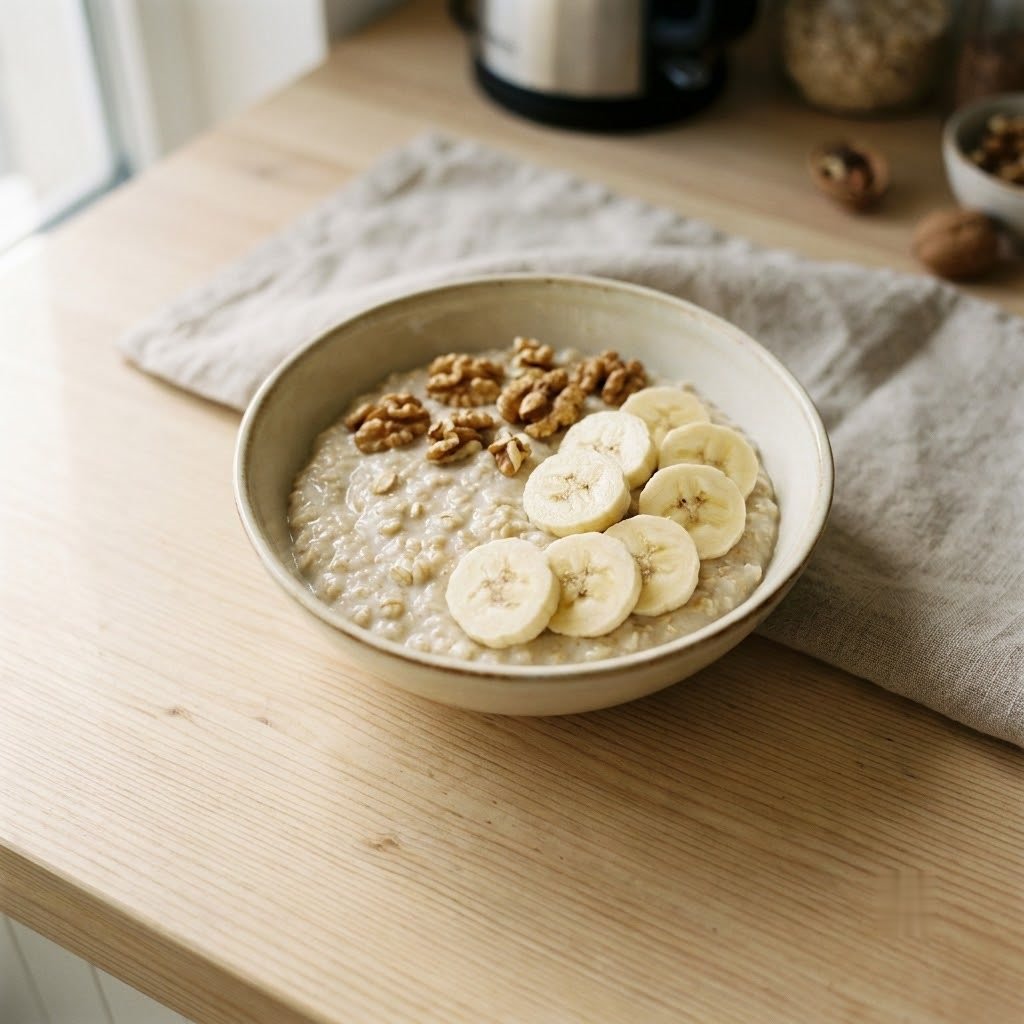
Oats
Oats carry a soluble fibre called beta-glucan. Its best-known job is cholesterol, but a steady breakfast of oats also replaces the thing it usually displaces — toast, which is one of the quietest sodium sources in the kitchen.
How to eat it: Plain porridge oats, not the flavoured sachets. The sachets are mostly sugar, and several are surprisingly salty too. Add half a banana and a few walnuts yourself.
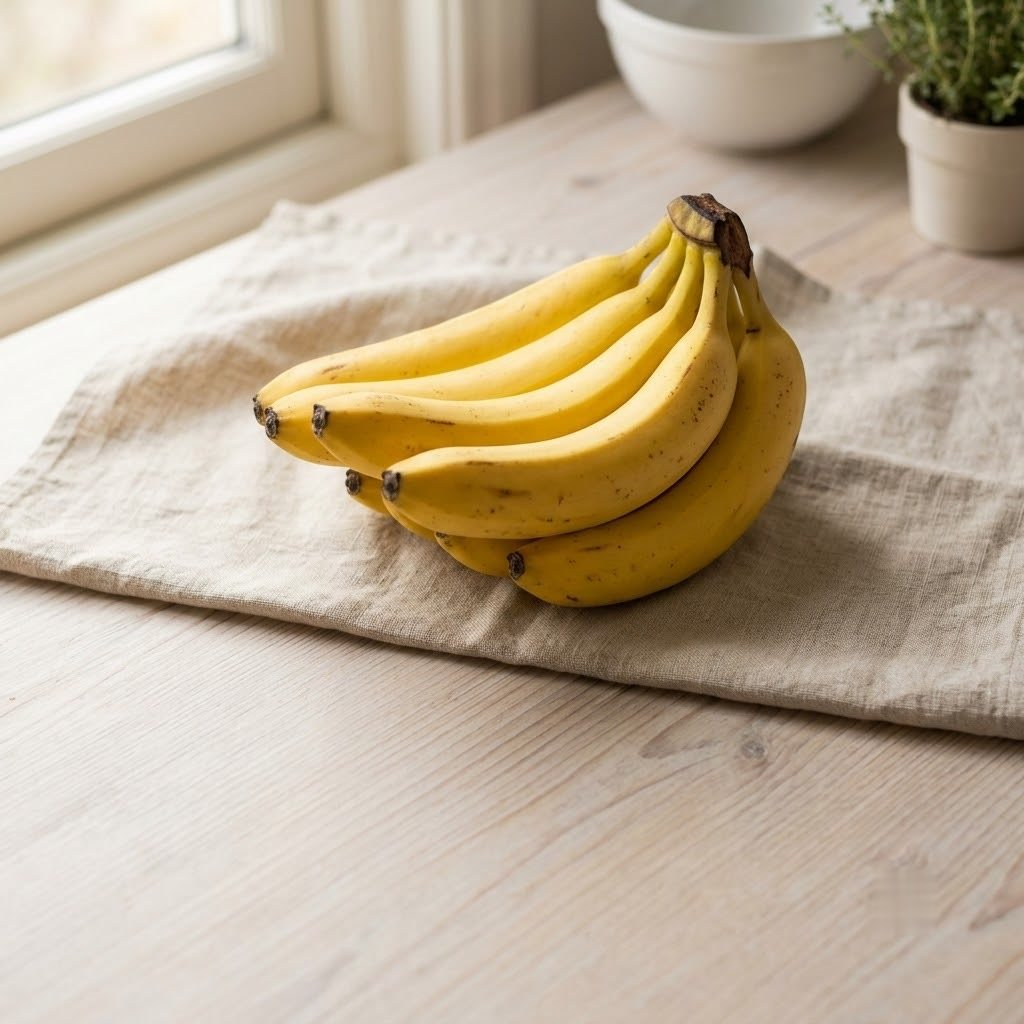
Bananas
The classic potassium food, and it earns the reputation. It is also the easiest one to actually eat every day, which matters more than being the densest source on paper.
How to eat it: One a day, in porridge or on its own. Consistency beats intensity here — a banana every morning does more than a potassium-heavy meal once a fortnight.
If you have kidney disease, or take an ACE inhibitor, an ARB or a potassium-sparing diuretic, do not increase potassium without asking your doctor. For some people extra potassium is genuinely unsafe.
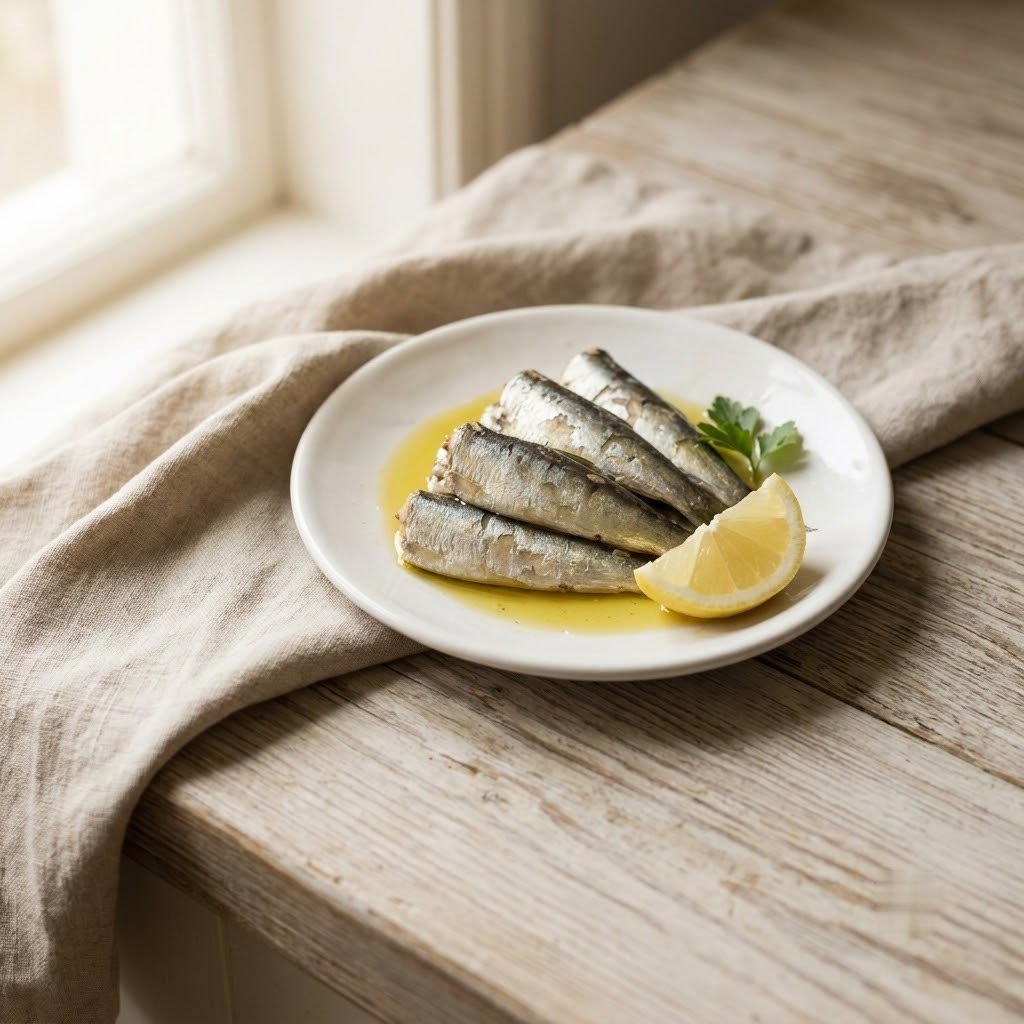
Tinned oily fish
Sardines, mackerel and salmon bring omega-3 fats, which are associated with better cardiovascular health generally. Tinned is cheap, keeps in the cupboard for years, and needs no cooking.
How to eat it: On toast, mashed with a fork and a squeeze of lemon, or straight from the tin onto a salad. Twice a week is the usual suggestion.
Choose tins in spring water or olive oil rather than brine, and rinse them if you are watching sodium closely.
The one rule that makes the list work
Swapping, not adding.
This is where most people go wrong, and it is worth saying plainly. Adding spinach to a plate that already had bread, ham and a tinned soup on it changes very little. The greens went in. The sodium never left.
The change that moves the needle is a swap:
- Porridge instead of two slices of toast
- Tinned sardines on one slice instead of a ham sandwich on two
- A banana instead of a mid-afternoon biscuit
- Roast beetroot instead of a jar of sauce over the potatoes
Same meals, same effort, same shopping trip. The difference is that something left the plate as well as arriving on it.
A day that looks like this
Nothing on that list is difficult to buy, expensive, or unfamiliar. That is deliberate. A plan you abandon in eleven days is worth less than a plain one you keep for a year.
Two things to be careful with
Salt substitutes. Many of the “low sodium” salts on the shelf replace sodium with potassium. For someone with healthy kidneys that is often fine. For someone with kidney disease, or on certain blood pressure tablets, it is not — and the packet does not always make that obvious. Ask your pharmacist whether it is appropriate for you specifically. It takes a minute and costs nothing.
Liquorice. Real liquorice — the confectionery and some herbal teas — contains a compound that can raise blood pressure and lower potassium. It is an odd one, and precisely because it sounds harmless it rarely gets checked. If you eat it regularly, mention it.
And one more that catches a lot of people: grapefruit. It does not raise blood pressure, but it changes how the body handles several common blood pressure tablets. We wrote about grapefruit and medication separately, because it is important enough to deserve its own page.
Who this is for — and who should talk to a doctor first
This is for you if
- You are over 60 and want to support healthier blood pressure through ordinary food
- Your readings are borderline and your doctor has suggested trying diet changes first
- You already take a blood pressure tablet and want to eat in a way that works with it
Skip this if
- You have kidney disease — potassium advice is different, and sometimes reversed, for you
- You take warfarin and are planning a sudden large increase in leafy greens
- You take an ACE inhibitor, an ARB or a potassium-sparing diuretic and want to load up on potassium
- You are looking for a replacement for prescribed medication — food supports treatment, it does not replace it
The honest summary
Food helps. Food is not a substitute for treatment, and nobody selling you a supplement should pretend otherwise.
What food does reliably is make the rest of the plan work better — and it is the one part of the plan entirely under your own control, three times a day, without a prescription.
Start with one swap. Porridge instead of toast is the easiest, and it changes two things at once: it raises the potassium and it removes one of the quietest sodium sources in the house.
Then, before you spend money on anything in a bottle, get an accurate reading. Most home readings are taken wrong, and a wrong number leads to the wrong decision — here is how to take one properly.
Want the plain-English version each week? We send one short email: one thing worth eating, one thing worth asking your pharmacist, and nothing that needs a dictionary. No miracle cures, because there aren’t any.
Medical disclaimer. This site does not provide medical advice. Information here is for general education only. Consult your doctor or pharmacist before starting any supplement, especially if you take prescription medicine.