This post contains affiliate links. I may earn a commission at no extra cost to you.
The wrong battle
Someone tells you to cut down on salt, and you do the obvious thing: you stop reaching for the shaker at dinner.
Weeks later the reading has barely moved, and the conclusion drawn is usually that salt does not matter much after all.
What actually happened is that you fought a small part of the problem very hard and left the large part untouched. For most people, the salt added at the table and in home cooking is a minority of what they eat in a day. The majority is already inside the food when it comes through the door.
That is genuinely good news, because it means the change does not involve eating bland meals. It involves changing a few products.
The five quiet ones
Bread. The biggest surprise and, for most households, the biggest single source. One slice is unremarkable. Four slices a day — two at breakfast, two at lunch — adds up relentlessly, every day, without a single salty mouthful.
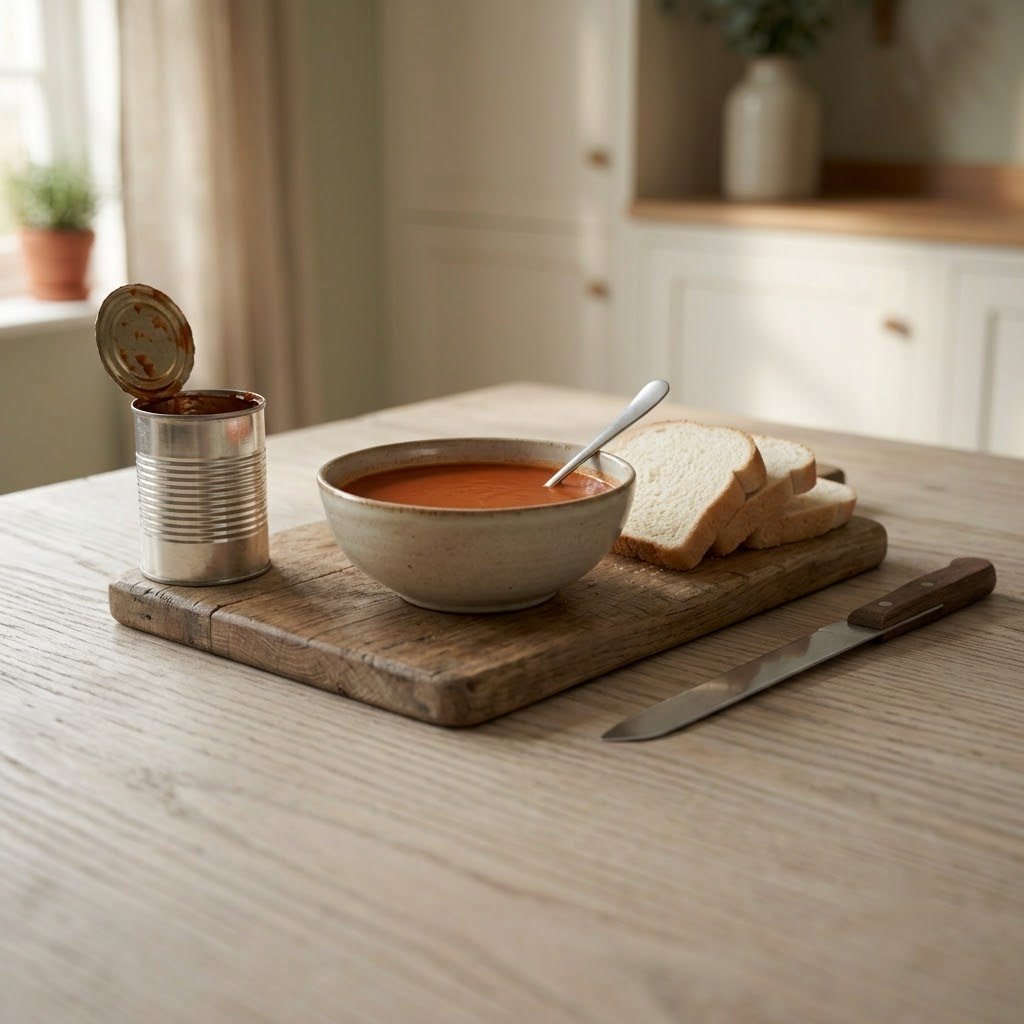
Tinned and packet soup. Soup tastes of soup, not of salt, which is exactly the problem. A single portion can carry a very large share of a day’s sensible limit.
Cheese. Salt is part of how cheese is made and preserved, so this is not a manufacturing shortcut — it is inherent. Hard cheeses and processed slices tend to carry the most.
Sliced meats. Ham, bacon, salami and similar are cured, and curing is a salt process. A sandwich with ham on two slices of bread is two of the top five in one item.
Sauces, gravies and stock cubes. Stock cubes in particular are close to being salt with flavouring attached.
Notice what those five have in common. Not one of them tastes obviously salty. Your tongue is not going to catch them, which is why this has to be done with your eyes.
Why two loaves are not the same loaf
Here is the bit worth acting on this week.
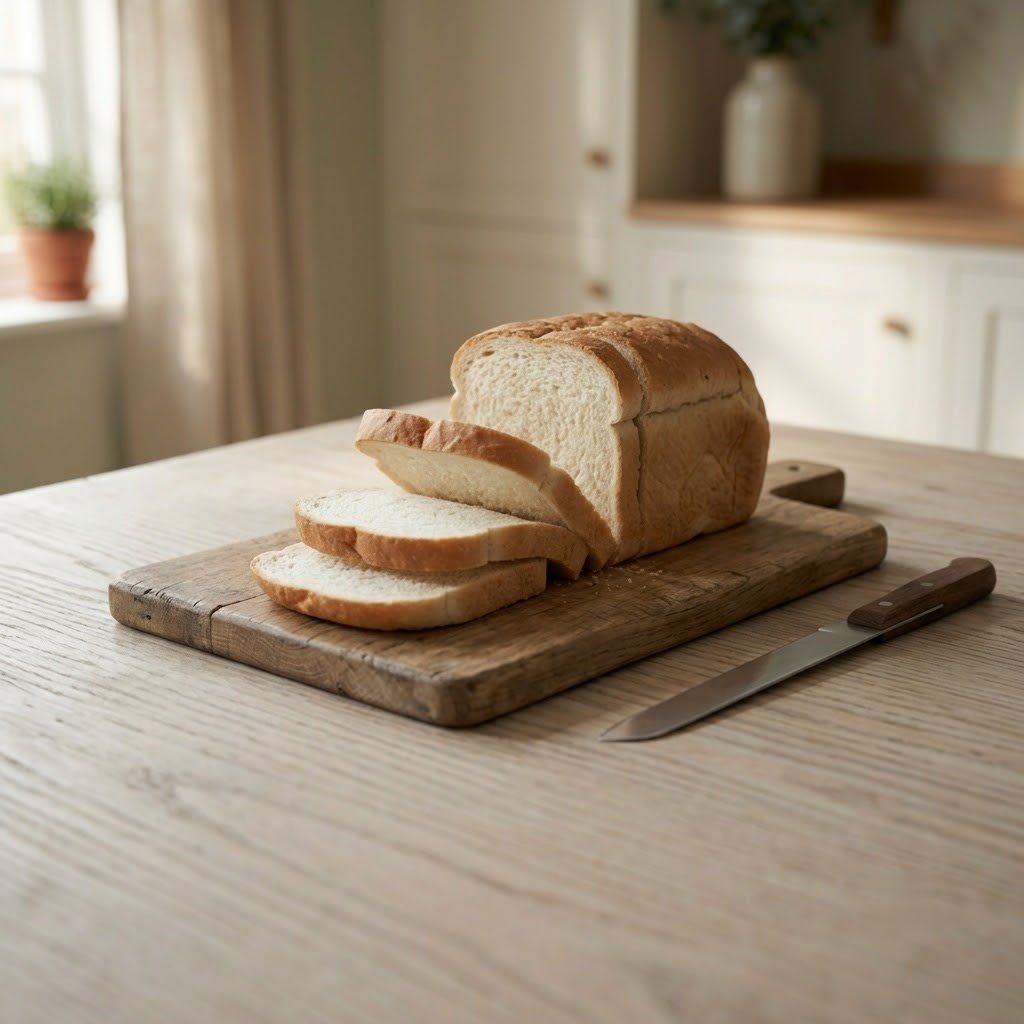
Sodium content is not fixed by the type of product. It is set by the manufacturer. Two white sandwich loaves on the same shelf, at a similar price, can differ substantially — and there is nothing on the front of either packet that tells you which is which.
The same is true for tinned soups, sauces and cereals. Within every one of those categories there is a meaningfully lower option sitting right next to a higher one.
Which leads to the only habit this article is really asking for:
Pick up two of the thing you buy every week. Turn them over. Compare the sodium or salt figure per 100g. Put the lower one in the trolley.
Once. For bread, that single decision keeps paying out every day for as long as you keep buying that loaf. You have changed nothing about what you eat, how you cook, or how food tastes.
Reading the label without a magnifying glass
Two practical points, because nutrition panels are designed to be confusing.
Compare per 100g, not per serving. Serving sizes are chosen by the manufacturer and are often smaller than what anyone actually eats. Per 100g is the only figure that lets you compare two products honestly.
Salt and sodium are not the same number. Some labels give sodium, some give salt, and salt is roughly two and a half times the sodium figure. If you compare a sodium number on one packet with a salt number on another, you will reach the wrong conclusion. Compare like with like.
If the print is too small — and it usually is — the phone camera is the practical answer. Take a photograph and enlarge it. Most people find that easier than glasses in a supermarket aisle.
The swap that costs nothing
Bread is the biggest source, so the biggest single change is to eat one less slice of it a day.
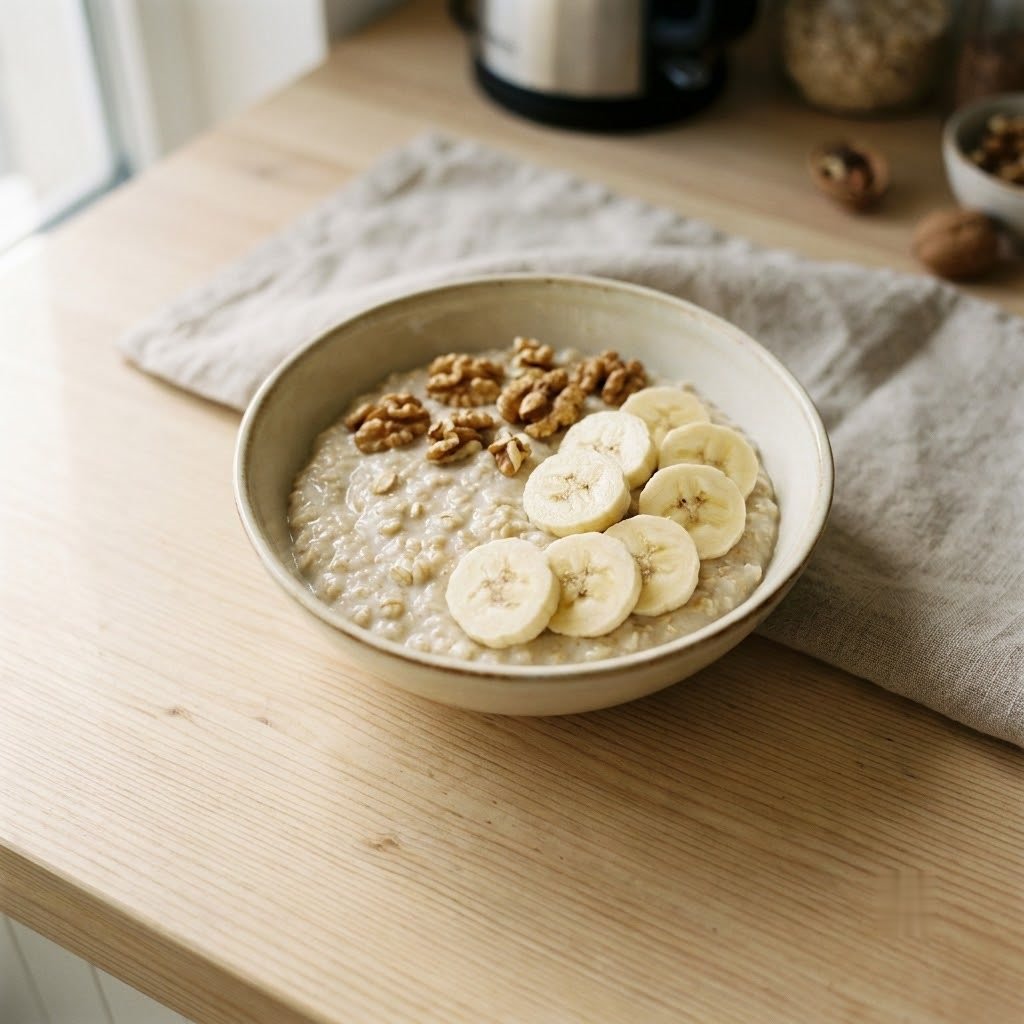
Porridge instead of toast at breakfast does two things at once: it removes the quietest sodium source in the house, and it adds potassium, which is the half of the blood pressure story most people never hear.
Other swaps in the same spirit:
- Homemade soup instead of tinned, made in a batch and frozen in portions
- Tinned fish instead of sliced ham in a sandwich
- Herbs, lemon, pepper, garlic and vinegar in cooking, which give a dish somewhere to go other than salt
The aim is not a low-salt life. It is removing two or three of the quiet sources and leaving everything you actually enjoy alone.
Be careful with salt substitutes
The “low sodium” salts on the shelf usually work by replacing sodium with potassium.
For someone with healthy kidneys, that is often a sensible swap. For someone with kidney disease, or taking an ACE inhibitor, an ARB or a potassium-sparing diuretic, extra potassium can be genuinely unsafe — and the front of the packet markets it as the healthy option without making that distinction clear.
This is a one-minute question at a pharmacy counter, and the answer is specific to you. Ask before you switch, not after.
Who this is for
This is for you if
- You have been told to reduce salt and cannot see what else to cut
- You already gave up the salt shaker and saw little change
- You want a change that does not make food taste worse
Skip this if
- You have kidney disease — sodium and potassium advice is different for you, ask your doctor
- You have been advised by a doctor to increase salt for a specific condition — follow that advice, not this page
- You are considering a potassium-based salt substitute and take a blood pressure tablet — ask first
What to do this week
One shelf. One comparison. The bread you buy anyway.
Then, before you judge whether any of it is working, make sure the number you are judging it by is accurate — most home blood pressure readings are taken in a way that changes the result.
One short email a week. Plain English, one thing worth changing, one thing worth asking about. No miracle cures.
Medical disclaimer. This site does not provide medical advice. Information here is for general education only. Consult your doctor or pharmacist before starting any supplement, especially if you take prescription medicine.